You’ve probably quoted a client a gutter job only to hear: “Can’t we just throw some of those mesh covers on there and call it a day?” Gutter guards — covers or screens that sit over the top of a gutter channel to keep leaves, debris, and seedpods from clogging the trough — sound like a simple upsell. But the product category spans a price range wide enough to buy a decent used truck, and the performance gap is just as dramatic. The question that actually matters isn’t which product is cheaper upfront; it’s which product costs less per year over the life of the installation. This guide runs that math for you, names the tradeoffs explicitly, and ends with a clear decision framework organized by tier. By the time you finish reading, you should know exactly which tier belongs on your current job.
| EDITOR'S PICK[A-M Gutter Guard – (5 Inch - 10…](https://www.amazon.com/dp/B083S1HKD4?tag=greenflower20-20) | Mid-tier[FlowGuard Gutter Guard](https://www.amazon.com/dp/B00DMOJK7A?tag=greenflower20-20) | Budget pick[Home Intuition 2-Pack Leader an…](https://www.amazon.com/dp/B07BDPP1KB?tag=greenflower20-20) | |
|---|---|---|---|
| Material | Aluminum | Aluminum | Plastic |
| Length | 100 ft | 102 ft | 40 ft |
| Cover Width | 5 in | 5 in | 6 in |
| Lifetime | — | 50 yr | — |
| Color | Mill Finish | White | — |
| Price | $164.99 | $159.00 | $18.95 |
| See on Amazon → | See on Amazon → | See on Amazon → |
Why the Budget Math on Plastic Mesh Is Worse Than It Looks
Tier One: Budget Plastic Mesh and Foam Inserts
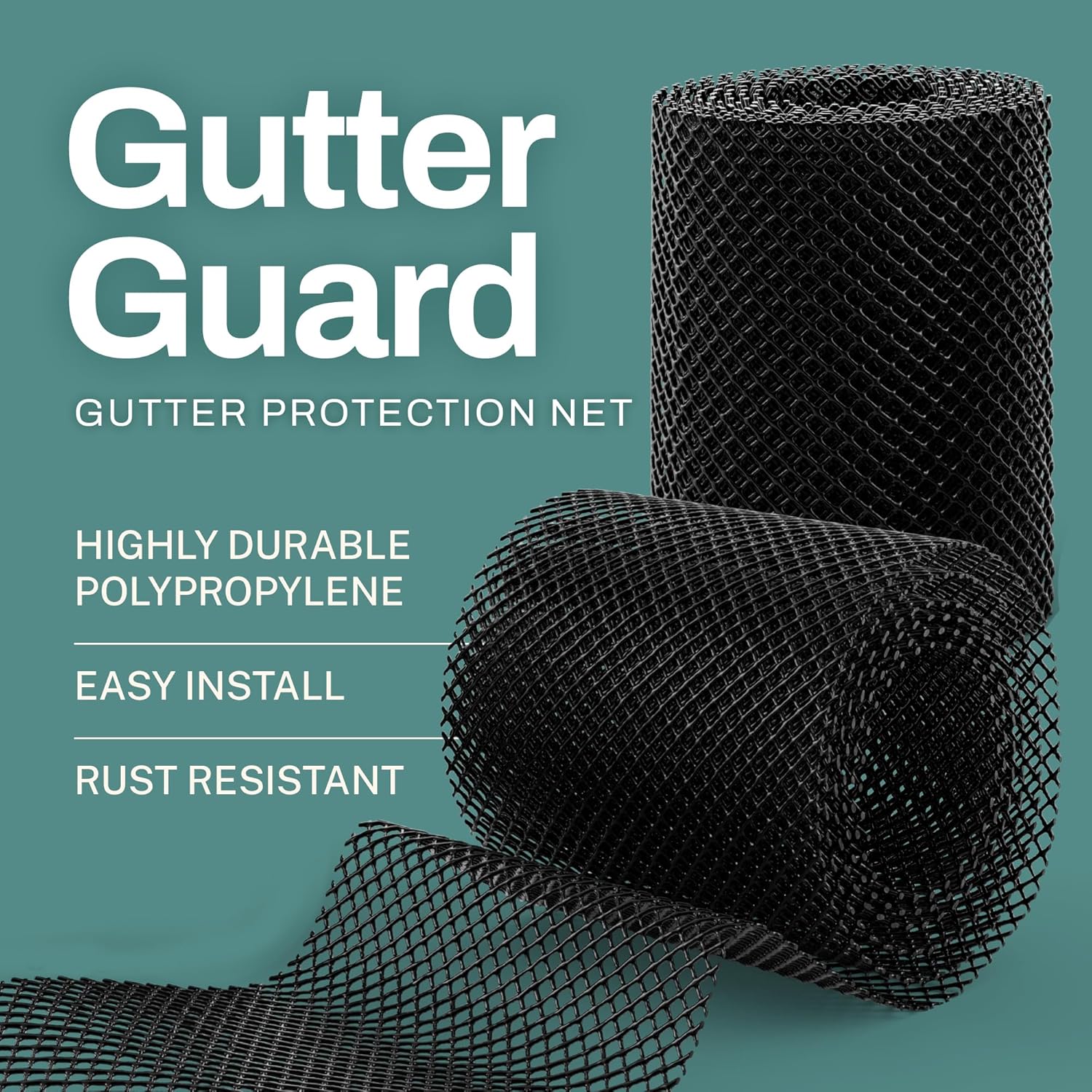
Let’s start with the category most homeowners reach for first: plastic mesh or foam insert guards, typically sold in home-improvement chain stores for roughly $0.50–$2.00 per linear foot in materials. On a standard 150-foot home — a modest single-story with four downspout runs — you’re looking at $75–$300 in product, plus a few hours of DIY labor. That price point is genuinely hard to argue with at the register.
The problem shows up in the follow-through.
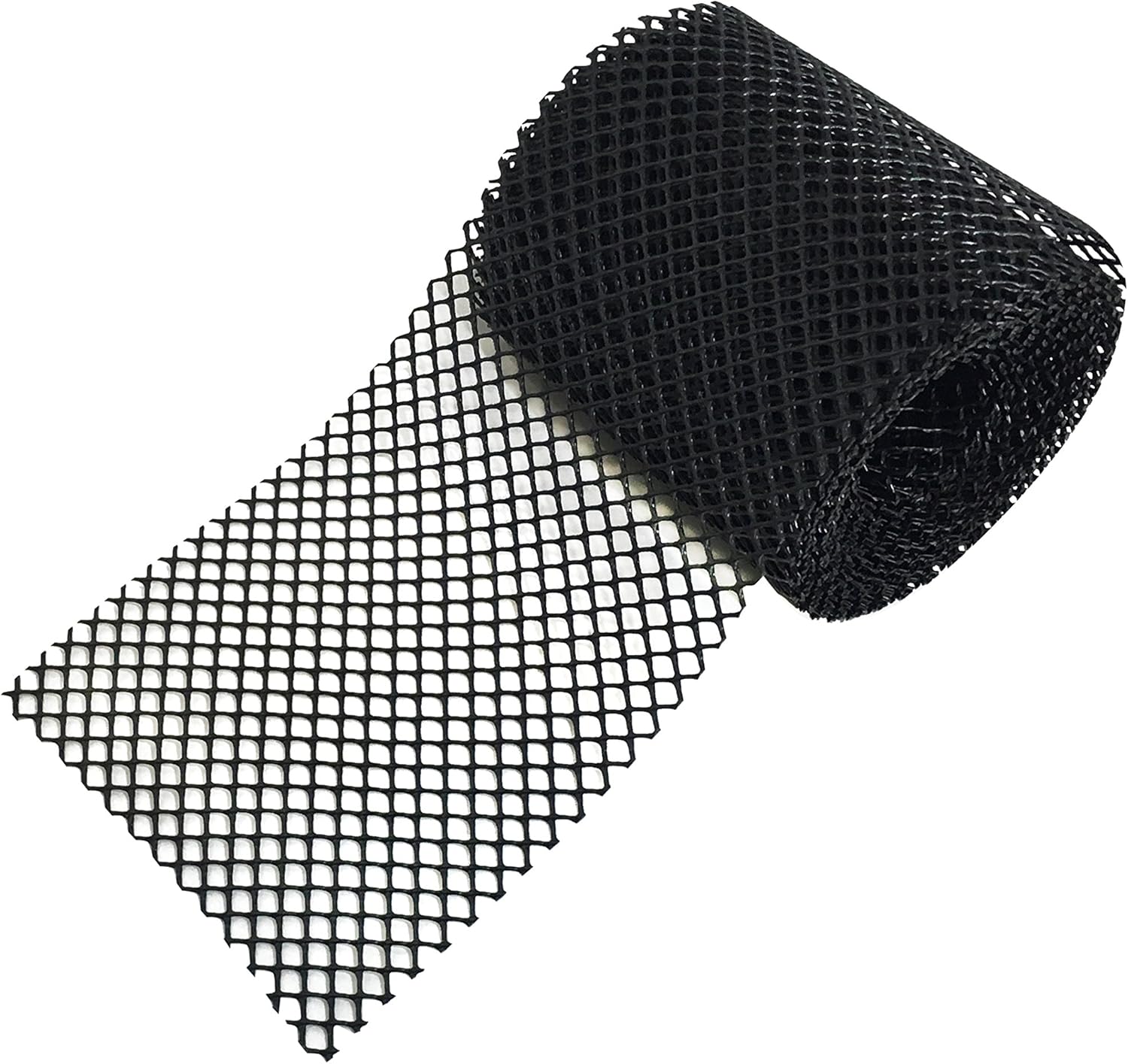
Plastic mesh (usually polyethylene or PVC screen stretched over a light plastic frame) and foam inserts (open-cell polyurethane that sits inside the gutter channel) share the same failure mode: they are excellent at capturing debris rather than shedding it. The mesh openings that block pine needles also trap maple seeds, shingle grit, and algae spores. Over one to three seasons in a moderate tree canopy, the surface mats over. The gutter effectively disappears — water sheets off the clogged guard rather than entering the channel, and you’re back to overflow damage, fascia rot, and foundation splash erosion.
Consumer Reports, in their 2024 update titled “Gutter Guards: Do They Really Work?”, tested multiple product tiers and documented this pattern directly: lower-cost mesh and foam products often require cleaning as frequently as unprotected gutters within two to four years, effectively negating the labor savings that justified the purchase.
By the Numbers — Budget Plastic Mesh, 150 LF Installation
- Installed product cost (DIY): ~$150–$450
- Gutter cleaning with guards in place (professional): ~$200–$350 per visit (guards must be removed, cleaned, reinstalled)
- Typical cleaning interval with plastic mesh: 1–2× per year in moderate debris zones
- Replacement cycle (UV degradation, brittleness): 5–8 years
- Estimated cost-per-year, years 1–8: $235–$525/year
That’s before you account for any water-damage callbacks or warranty disputes — categories that are largely absent from plastic-mesh product specs because warranties on this tier typically run 1–3 years, with pro-rated coverage that rarely covers labor.
Home
$18.95
In stock on Amazon
Check price on AmazonThe Middle Tier: Where Steel Reverse-Curve and Basic Aluminum Screen Live
Tier Two: Roll-Form Aluminum Screen and Reverse-Curve Guards
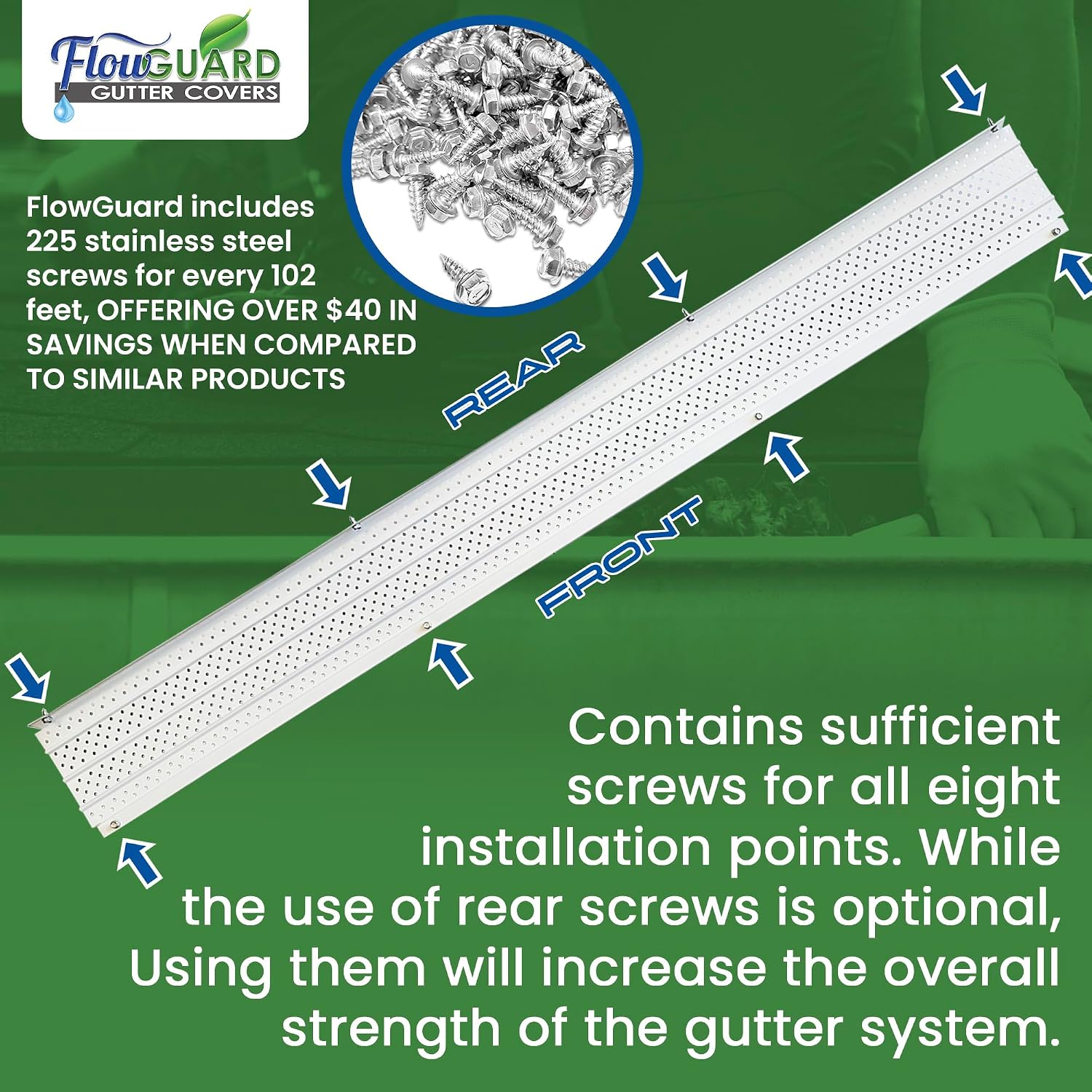
There’s a product tier between foam/plastic and true micro-mesh that deserves honest treatment: roll-form aluminum screen guards (typically $3–$8/LF installed) and reverse-curve or surface-tension guards ($8–$14/LF installed). Both are contractor-installable, both out-perform plastic mesh, and both have real limitations.
Aluminum screen guards use wider mesh openings, typically 1/16” to 1/8”. They handle full leaves well but struggle with the debris that actually clogs gutters in most markets: shingle grit, pine needles, helicopter seeds, and seedpod fragments smaller than the mesh opening. Family Handyman, in their article “Gutter Guard Types Explained,” notes that aluminum screen is the workhorse of the contractor volume market precisely because it’s fast to install and margins are reasonable — but they are candid that fine debris and shingle grit are the achilles heel of screen-style guards.
Reverse-curve guards rely on water following the curve of a hood and dropping into a narrow slot while debris flies off the edge. They work elegantly in controlled conditions and fail spectacularly when debris is wet and heavy — it follows the water right into the slot. They also require precise pitch alignment to function, a detail that becomes a callback generator on roofs with inconsistent slope.
By the Numbers — Aluminum Screen Mid-Tier, 150 LF Installation
- Installed product cost (professional): ~$450–$1,200
- Gutter cleaning with screen guards: ~$175–$300 per visit
- Typical cleaning interval: 1–2 years (debris-profile dependent)
- Replacement cycle: 8–12 years
- Estimated cost-per-year, years 1–12: $200–$425/year
For practitioners: the middle tier makes sense when the client has a large, clean canopy (mature oaks, minimal conifer, no asphalt shingle nearby) and a budget ceiling around $1,000–$1,800 for a 150 LF run. Outside those parameters, the math starts drifting toward contractor-grade or honest budget plastic mesh — not the middle.
FlowGuard
$159.00
In stock on Amazon
Check price on AmazonWhat Contractor-Grade Aluminum Micro-Mesh Actually Buys You
Tier Three: Contractor-Grade Aluminum Micro-Mesh
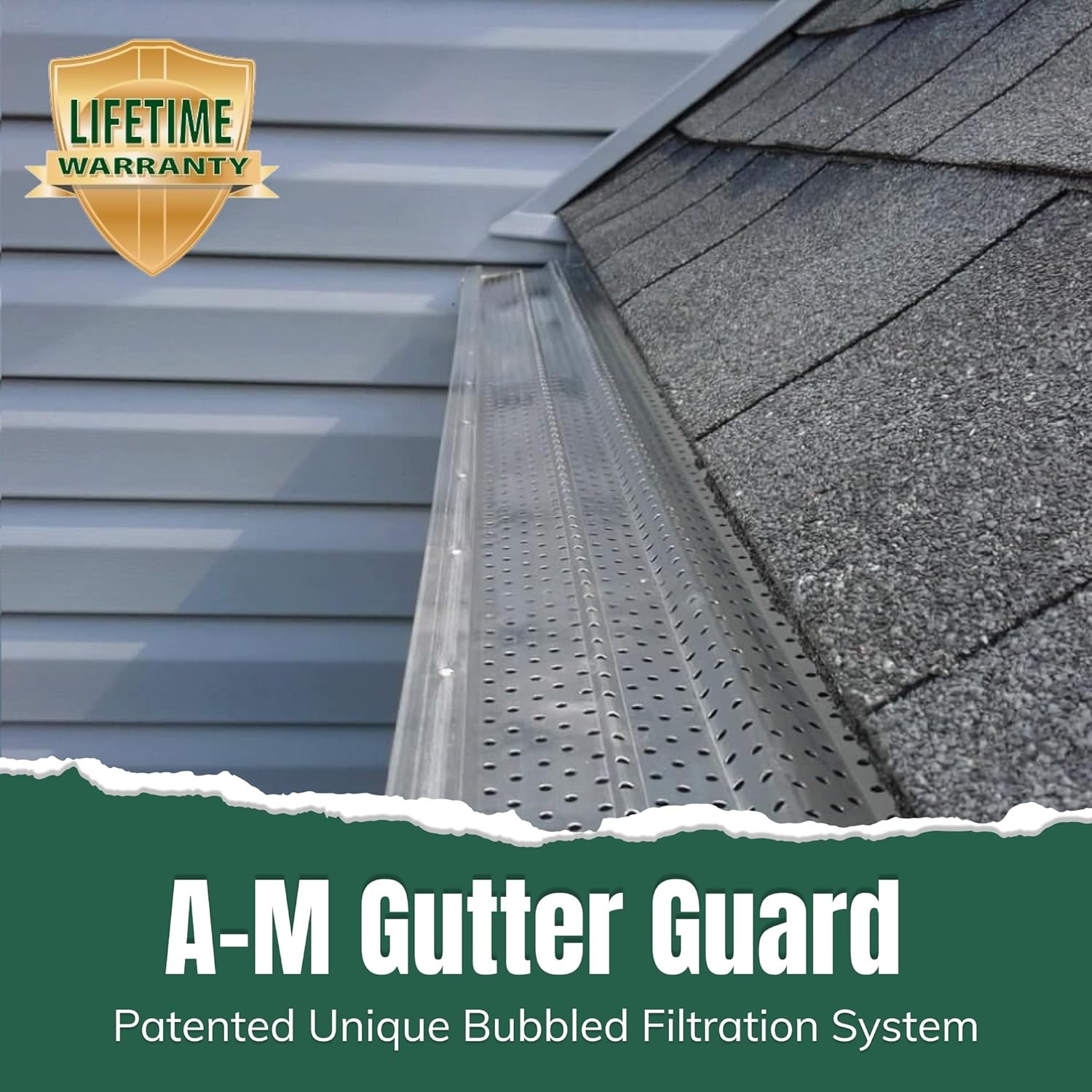
Contractor-grade aluminum micro-mesh — products like LeafFilter (surgical-grade stainless steel mesh over an aluminum frame), MasterShield (pitched aluminum body with fine-weave micro-mesh), or Gutterglove Pro (extruded aluminum with 50-micron stainless mesh) — occupy a completely different engineering category. The frame is aluminum or galvanized steel; it won’t warp, won’t become brittle at -20°F, and won’t gap away from the fascia the way plastic does after a few freeze-thaw cycles. The mesh itself is typically stainless steel, rated to block openings down to 50–380 microns depending on the product line.
The installed price for professional contractor-grade micro-mesh runs $15–$35 per linear foot all-in, per Angi’s 2025 article “How Much Do Gutter Guards Cost?” On that same 150-foot home, you’re committing $2,250–$5,250. That number is the source of most client sticker shock, and it’s worth sitting with it honestly.
But the performance case is strong. This Old House’s 2025 guide “The Best Gutter Guards of 2025” identifies micro-mesh as the category that comes closest to delivering on the no-maintenance promise, specifically because fine-weave stainless mesh allows water to enter the gutter by surface tension while debris dries and blows off the top. It doesn’t eliminate cleaning — nothing does — but it extends professional cleaning intervals to every 3–5 years in typical deciduous canopy conditions.
Fine Homebuilding’s article “Micro-Mesh Gutter Guards: A Contractor’s Perspective” makes the additional point that contractor-grade products also protect the gutter system itself — keeping standing debris moisture off the gutter interior extends the painted finish life on aluminum and reduces corrosion exposure on steel gutters by meaningful margins.
By the Numbers — Contractor-Grade Micro-Mesh, 150 LF Installation
- Installed product cost (professional): ~$2,250–$5,250
- Gutter cleaning with micro-mesh in place: ~$150–$250 per visit (no guard removal typically required for routine flush)
- Typical cleaning interval: 3–5 years
- Product warranty: 20-year to lifetime (transferable on most contractor-grade products)
- Replacement cycle: 20–25 years (aluminum frame, stainless mesh)
- Estimated cost-per-year, years 1–20: $162–$350/year
At a 20-year horizon, the cost-per-year ranges overlap across all three tiers — but the micro-mesh scenario assumes significantly less hands-on maintenance, no UV replacement cycles, and full warranty coverage if something goes sideways. The plastic mesh scenario assumes nothing goes wrong with the gutters themselves due to overflow damage, which is an optimistic assumption.
A-M
$164.99
In stock on Amazon
Check price on AmazonThe Variables That Shift the Decision
If you’re working a specific deal right now, these are the factors that should override any default tier recommendation:
Debris profile. Pine needles and shingle grit are the great levelers — they defeat plastic mesh in year one, they defeat wide aluminum screen in year two, and they are the primary performance differentiator that justifies micro-mesh pricing. If your project is surrounded by mature conifers or the roof is older asphalt with significant granule shedding, micro-mesh is not a luxury; it’s the only product that will stay clean long enough to justify any guard installation at all.
Warranty transferability. Contractor-grade products from LeafFilter, MasterShield, and Gutterglove Pro all offer transferable warranties — typically lifetime-to-lifetime or 20-year minimum. On a home where the current owner is planning a sale within 5 years, that transferability is a tangible line item in the transaction: it becomes a disclosed upgrade rather than a sunk cost. Budget plastic mesh offers no such leverage.
Gutter profile compatibility. Half-round gutters — common on craftsman, colonial, and historic exteriors — require guards specifically designed for rounded channels. Most budget plastic mesh products are sized for K-style gutters and fit poorly or not at all on half-round profiles. Micro-mesh contractors typically offer half-round-specific frame profiles; confirm availability before specifying.
Regional freeze-thaw exposure. In USDA climate zones 5 and colder, plastic and foam guards that retain moisture will crack, warp, or detach within 3–5 winters. Aluminum frame micro-mesh is the only category with demonstrated long-run freeze-thaw resilience across published manufacturer testing data for products rated to -40°F.
Labor recovery timeline. If your client is a property manager overseeing 8–15 rental units, the cleaning labor avoided by micro-mesh pays back the premium in roughly 4–6 years even at full professional rates. Single-structure residential with DIY-capable owners? The math is softer; the payback window stretches to 8–12 years. Both can be rational; they require different conversations.
The Decision Rule
Here’s the if/then framework for your current deal:
- If debris profile includes pine, fir, or heavy shingle grit → contractor-grade micro-mesh only. No other tier will hold up long enough to justify the install.
- If the budget ceiling is firm below $1,500 total and debris is primarily large deciduous leaves → aluminum screen mid-tier, with a clear written scope that cleaning intervals remain at 1–2 years.
- If budget ceiling is firm below $500, property is a short-term hold, and owner is comfortable with DIY maintenance → plastic mesh with a realistic expectation that it’s a temporary debris reducer, not a maintenance eliminator.
- If the home has half-round gutters or is in Zone 5+ → do not specify plastic or foam under any circumstances. Confirm micro-mesh SKU compatibility with the gutter profile before contract signing.
- If the client is selling within 5 years → contractor-grade with transferable warranty, full stop. It’s a disclosure asset, not just a product.
The category that gets oversold most often is the middle tier — aluminum screen positioned as “almost as good as micro-mesh for half the price.” Based on published performance data from sources including Consumer Reports, This Old House, and Family Handyman, that framing understates the debris-profile dependency. Screen is fine for the right job. Know which job that is before you commit.
The cost-per-year math is rarely where clients expect it to land. Run it with them, not at them, and the premium tier sells itself to anyone who plans to own the home for more than a decade.